
Building Social Wellness Networks
Isolation affects health more than most people realize. Explore how group wellness programs, community meetups, and social connections strengthen both mental and physical wellbeing.
8 min read
All Levels
March 2026
Why Connection Matters
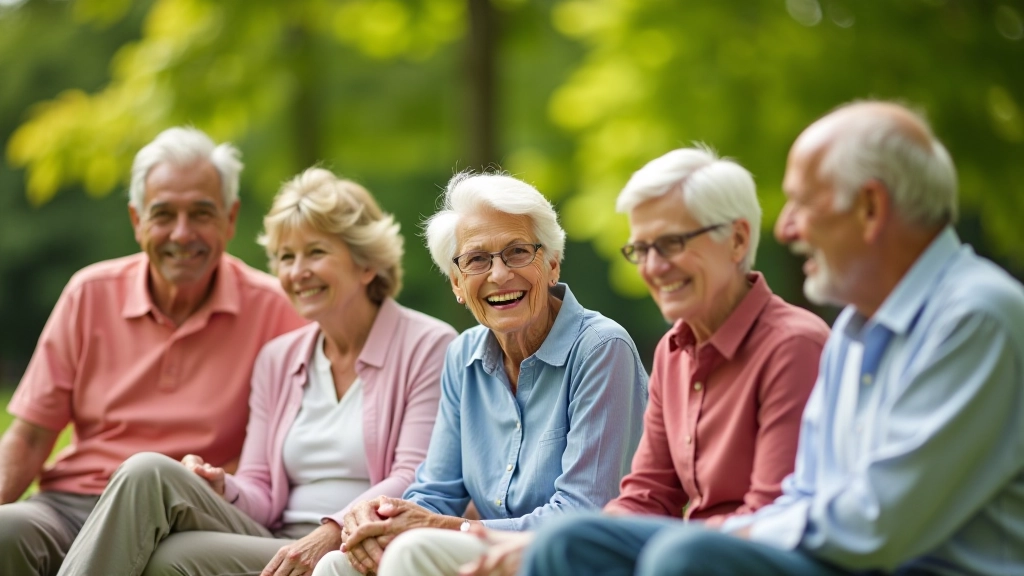
We're living longer than ever, but that doesn't automatically mean we're living better. Studies show that loneliness has the same health impact as smoking fifteen cigarettes a day. That's not an exaggeration — it's the actual data. When you hit your 40s and 50s, staying socially connected becomes as important as exercise and nutrition.
The thing is, many people in this age group find themselves isolated without realizing it. Kids move away, careers wind down, and routines change. Suddenly you're home more often, seeing fewer people. But here's the good news: building a social wellness network doesn't require massive effort. It starts with showing up.
The Real Benefits of Group Wellness
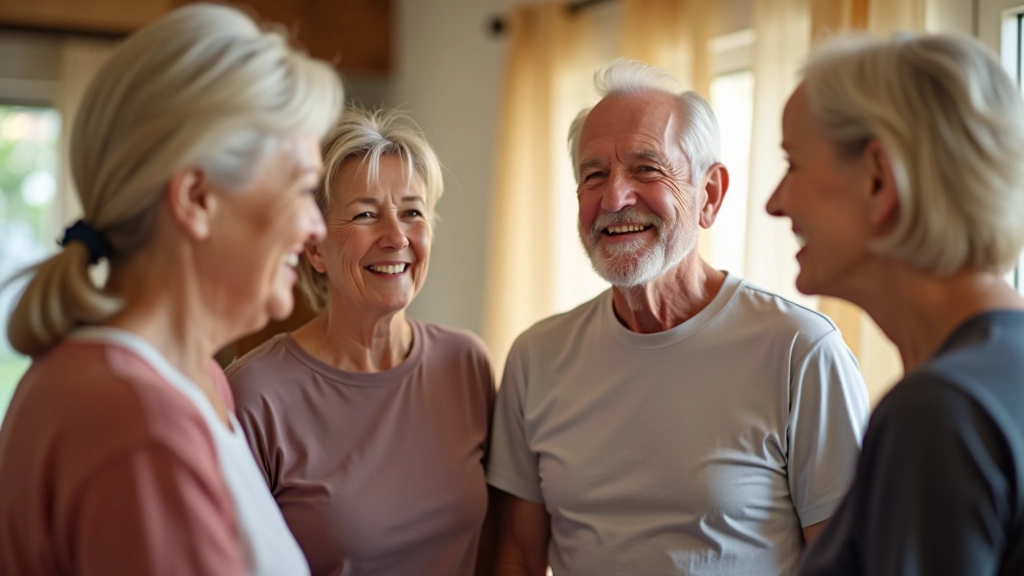
When you join a wellness group, you're not just getting exercise. You're getting something much deeper.
Physical Health Improvements
People in social groups exercise more consistently. You're more likely to show up when others are counting on you. Regular movement reduces risk of chronic disease, improves balance, and keeps your energy levels steady throughout the day.
Mental Clarity & Mood
Social interaction directly impacts mental health. You'll experience better sleep, reduced anxiety, and improved mood. Conversations stimulate cognitive function — your brain stays sharper when you're engaging with people regularly.
Accountability & Motivation
You won't skip that Tuesday morning balance class when your friends are expecting you. Groups create natural accountability. Plus, you'll be inspired by others' progress. Seeing someone your age achieve their goals is incredibly motivating.
Sense of Purpose
Being part of a community gives you direction. You belong somewhere. You have people who know you, ask about you, and celebrate your wins. That sense of purpose extends far beyond the gym or class studio.
Types of Social Wellness Networks
Not every group is the same. Different formats work for different people, and that's exactly how it should be. The best network is one you'll actually join and stick with.
Exercise Classes
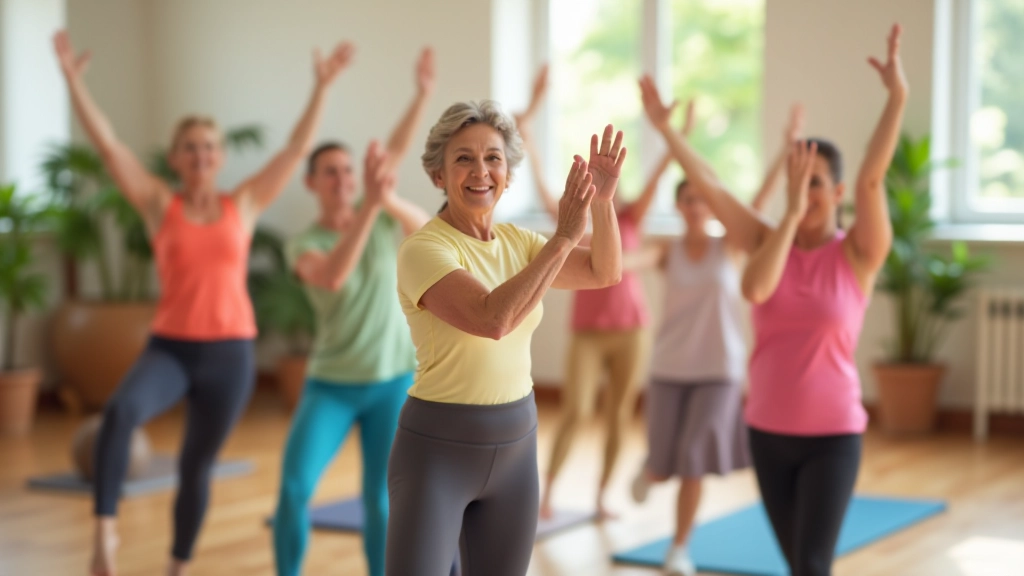
Group fitness like yoga, water aerobics, or gentle strength training. You're moving together, sharing the experience, building friendships with familiar faces. Most classes meet 2-3 times per week, which creates natural consistency.
Walking Groups
Low-pressure, conversation-friendly. A group of 4-8 people meeting weekly for a neighborhood walk. You're getting fresh air, movement, and genuine conversation all at once. No intimidation, no performance pressure.
Wellness Workshops
Focused learning sessions on nutrition, balance training, or stress management. You meet other people with similar health interests. Workshops typically run 6-8 weeks, giving time to build real connections.
Social Meetups
Community events, coffee meetups for wellness-focused groups, or skill-sharing sessions. Less structured than classes, but equally valuable for building relationships. Some are activity-based, others purely social.
Getting Started: Three Practical Steps
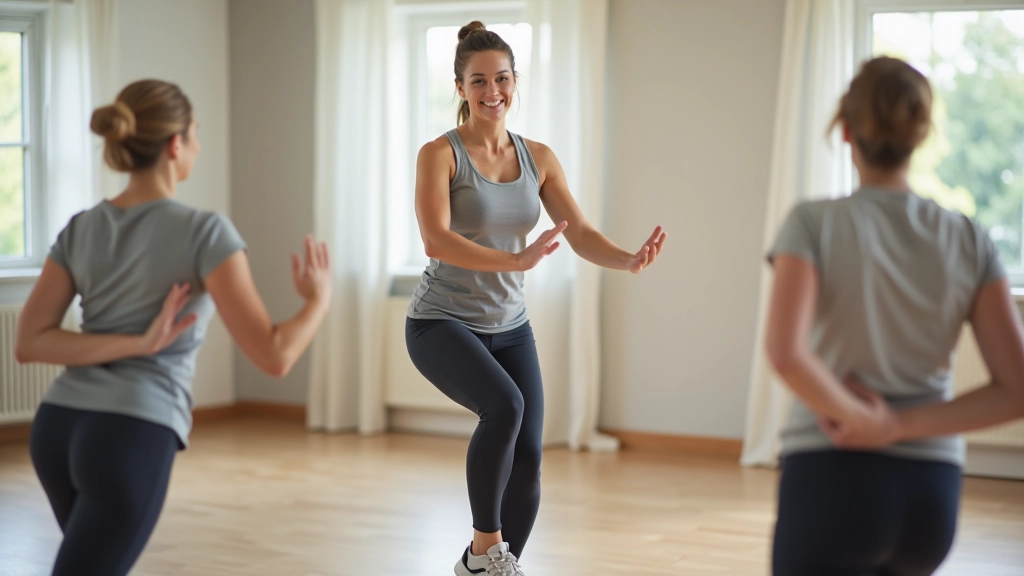
Building a social wellness network takes intention, but not necessarily time or money.
01
Identify What Interests You
Are you more motivated by structured classes or casual meetups? Do you prefer intense exercise or gentle movement? Would you rather focus on nutrition or physical activity? Don't force yourself into a group that doesn't match your actual interests. You'll be more consistent if you genuinely enjoy what you're doing.
02
Find Your Group
Check local community centers, gyms, senior centers, or healthcare providers. Most offer free trial classes. Ask friends if they know anyone in wellness groups. Search online for "wellness groups near me" or check community boards. Don't overthink this step — you're just exploring options right now.
03
Show Up Consistently
Commit to 4-6 weeks minimum. Real friendships and accountability take time to develop. After a month, you'll recognize faces, know names, and feel like you belong. That's when it becomes less of a task and more of something you actually look forward to.
Overcoming Common Barriers
Let's be honest. Starting something new can feel awkward. You might worry about not being fit enough, looking out of place, or not knowing anyone. These feelings are normal and completely valid.
The secret? Everyone else in that room felt exactly the same way before they started. Most wellness groups are welcoming specifically because their members remember what it was like to be new. You're not walking into a competitive environment — you're joining people who genuinely want others to feel comfortable and succeed.
Start small if that helps. Try one class. Go to one meetup. You don't have to commit to anything beyond that first visit. But we'd bet once you experience the energy and support, you'll want to come back.

Beyond Classes: Building Deeper Connections
Once you're in a group, you can deepen those relationships intentionally.
Organize Social Events
Coffee after class. A group hike on weekends. A potluck dinner where everyone brings a healthy dish. These casual gatherings strengthen bonds outside the structured class environment. You're not just exercise buddies — you're becoming friends.
Create Accountability Partnerships
Partner with someone for check-ins between classes. Text a friend from your group about how your week went. Simple accountability shifts the dynamic from "I'm doing this for myself" to "I'm doing this for us." It's surprisingly powerful.
Share Knowledge & Support
If you learn something valuable about nutrition, share it. If someone's struggling with motivation, check in. Groups thrive when members actively support each other. You don't need to be an expert — genuine care is enough.
Expand Your Network Gradually
Once you're comfortable in one group, consider joining another. A balance class plus a nutrition workshop. A walking group plus a wellness meetup. Diverse connections create a richer support system and expose you to different perspectives on health.
The Ripple Effect
When you build a social wellness network, you're not just improving your own health. You're creating something bigger. Other people see you showing up consistently. They notice you're more energetic. They hear you talking about your progress. That inspires them to take their own health seriously.
Communities become stronger when people actively participate. Your presence matters. Your commitment matters. The connections you build ripple outward, affecting family members, friends, and acquaintances who see wellness as something worth pursuing.
"I wasn't looking to make friends when I started the balance class. But after three months, these people genuinely care about me. We celebrate when someone hits a milestone. We check in if someone misses class. It's real community."
— Patricia, 54
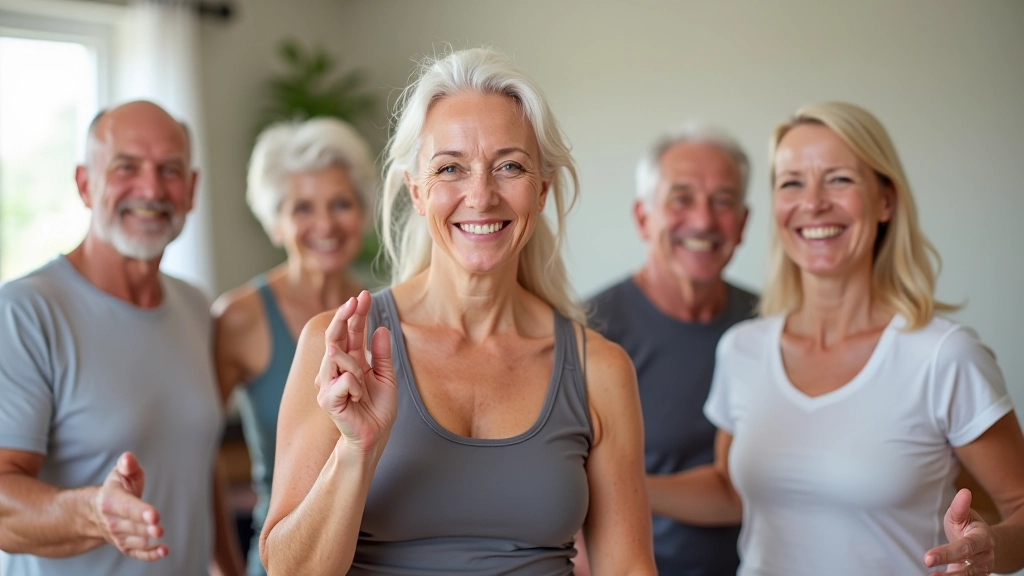
Start Building Your Network Today
Isolation is a choice, but so is connection. You don't need to wait for the perfect group or the perfect time. This week, identify one wellness group or class near you. Next week, visit. The week after, go again. Small consistent actions compound into genuine community.
Your health — physical and mental — depends on it. But more importantly, your sense of belonging depends on it. That's worth showing up for.
Important Information
This article provides general educational information about social wellness and community engagement. It's not a substitute for professional medical advice, diagnosis, or treatment. Before starting any new exercise program or wellness initiative, consult with your healthcare provider, especially if you have existing health conditions or concerns. The benefits described are based on wellness research and common experiences, but individual results vary. Always listen to your body and work with qualified instructors in structured programs.
Related Articles
Continue your wellness journey with these complementary guides.

Balance & Fall Prevention: Core Techniques
Discover the most effective balance training methods that reduce fall risk and build confidence in daily activities.
Read More →
Nutrition for Energy & Longevity
What you eat matters more than ever in your 40s and 50s. Learn about nutrient-dense foods and practical eating strategies.
Read More →