

Gentle Exercise Classes: Getting Started Safely
A beginner's guide to low-impact fitness classes designed specifically for adults 40-60. Learn what to expect in your first session and how to build confidence gradually.
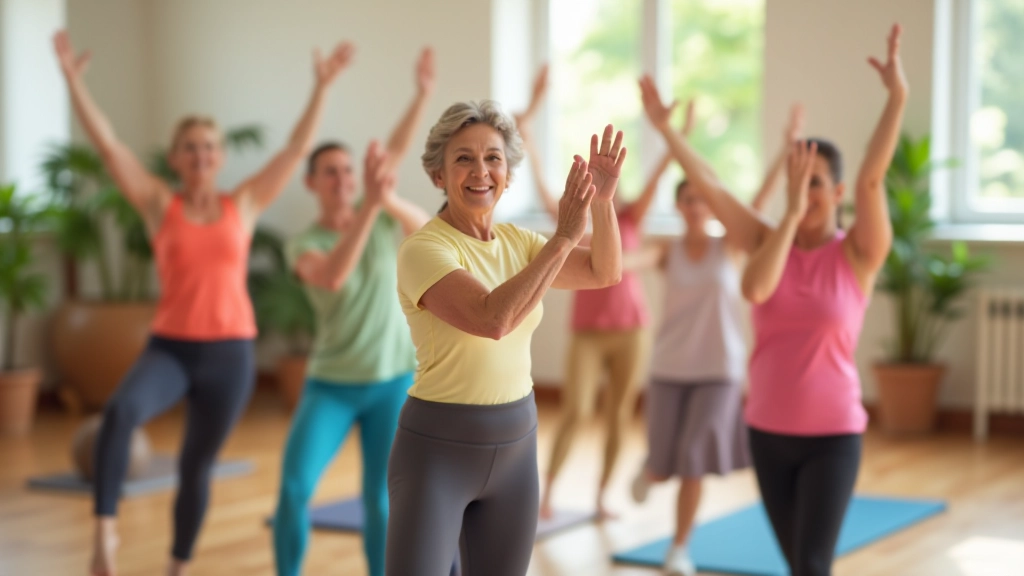
Why Gentle Exercise Matters in Your 40s and 50s
You're not the same as you were in your 20s. That's not a bad thing — it's just reality. Your body's changed, your priorities've shifted, and you probably don't want to spend an hour gasping for breath at some intense gym class.
The truth is, gentle exercise classes aren't about being "easier" — they're about being smarter. They're designed around how your body actually works now. Low-impact movements protect your joints while building real strength. You're not pushing yourself to the limit; you're building sustainable fitness that lasts.
Most people see noticeable changes within 4-6 weeks. Better posture, more energy, improved balance, stronger core stability. But here's what really matters: you'll actually enjoy showing up. That's the difference between exercise that sticks and exercise you quit.

What Happens in Your First Class
Walking into a new fitness environment can feel intimidating. You're wondering what you'll look like, whether you'll be able to keep up, if everyone else knows something you don't. But here's what actually happens in a well-run gentle exercise class:
1
Arrival and Setup
You'll arrive 10-15 minutes early. The instructor greets everyone by name and asks about any injuries or concerns. There's no judgment — just practical information so they can give you modifications if needed. You'll grab a mat, maybe a cushion or block, and find a comfortable spot in the studio.
2
Warm-Up and Breathing
You'll start seated or standing, focusing on gentle movements. Shoulder rolls, neck stretches, hip circles. The instructor emphasizes breathing — slow inhales through the nose, controlled exhales. This calms your nervous system and preps your body. Doesn't sound like much, but it's actually the foundation of everything that follows.
3
Core Movements
Most classes last 45-60 minutes. The middle section includes slow, controlled movements. Standing balance work (holding onto a chair if needed), gentle stretching, stability exercises that engage your core without strain. Every movement has a purpose. You're not doing burpees or high-intensity intervals — you're building functional strength for real life.
4
Cool-Down and Reflection
The final 10 minutes are dedicated to stretching and relaxation. You're lying on your mat, moving slowly, letting your body settle. Some instructors guide you through a brief meditation or body scan. This isn't fluff — it's where your body absorbs the benefits and your mind actually relaxes.
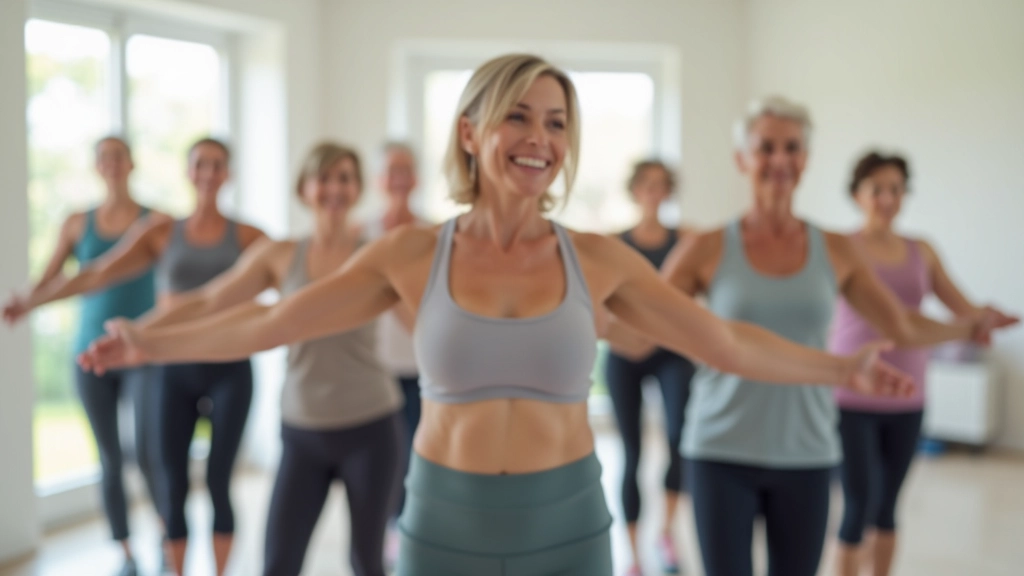

Practical Tips for Your First Month
The difference between people who stick with gentle exercise and people who quit usually comes down to the first 3-4 weeks. Here's what actually works:
Go Twice Per Week
Once per week keeps you maintaining. Twice per week is where you actually build progress. Your body remembers what you did three days ago — that's when real adaptation happens. Most studios offer Tuesday and Thursday morning slots or Monday and Wednesday evenings. Pick the times that fit your schedule and actually stick to them.
Tell the Instructor About Your Body
Don't be shy about mentioning a bad knee, tight shoulders, or recent injury. Good instructors have 15-20 modifications ready. They'll show you how to adjust movements without sitting out completely. You're not slowing anyone down — modifications are built into every class.
Arrive 10 Minutes Early
You're not just beating the rush — you're getting your nervous system acclimated. You'll chat with other participants, set up your space properly, and mentally transition into the class. It makes a real difference in how you experience the session.
Wear Comfortable Clothes
You don't need special fitness gear. Comfortable loose pants and a t-shirt work fine. You're not trying to impress anyone. What matters is that you can move freely without worrying about your clothes. Wear socks or go barefoot — whatever feels right.
Building Confidence Over Time
Here's something nobody tells you about starting gentle exercise: the first month is awkward, but month two is completely different. Your body remembers the movements. You know where to stand, what to expect, and you're not thinking about whether you're doing it "right." That's when it actually becomes enjoyable.
By week 6-8, you'll notice real changes. You'll have better posture when you're sitting at your desk. Stairs won't leave you winded. You'll catch yourself standing straighter. These aren't dramatic transformations — they're subtle, sustainable improvements that actually matter for daily life.
The social part sneaks up on you too. You'll start recognizing faces. Someone'll ask how your week's been. You'll make friends with people you see every Tuesday. That's where the real magic happens. Exercise becomes something you do with people, not just something you do to yourself.
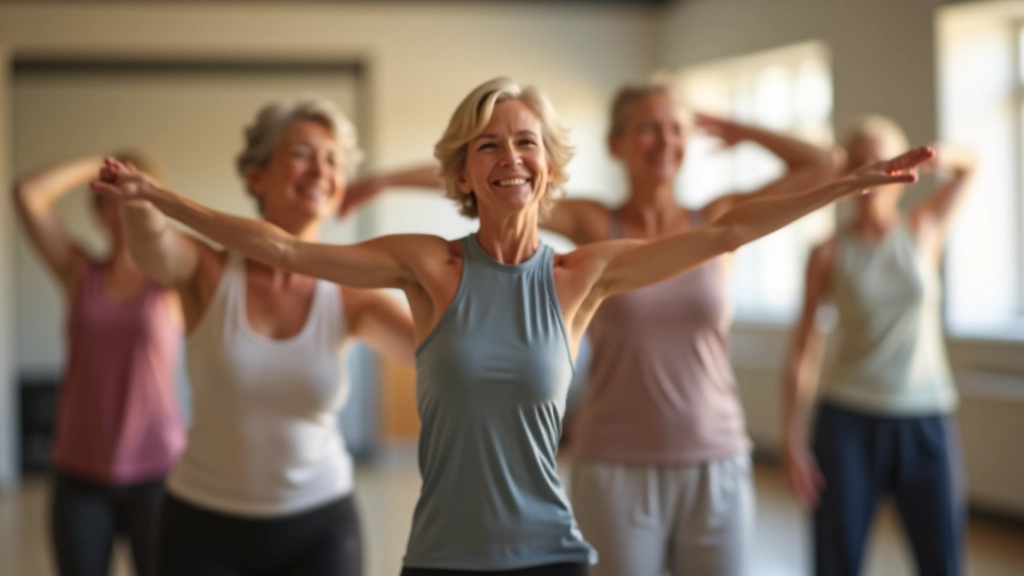
Addressing Common Concerns
Will I Be Too Sore?
You might feel mild soreness for 1-2 days after your first class. That's normal. It's not pain — it's your muscles saying "we did something new." By week two, you won't be sore at all. Your body adapts quickly to gentle movement. If you're experiencing sharp pain (not muscle soreness), tell your instructor immediately.
What If I'm Less Flexible Than Everyone?
Everyone in a gentle class started somewhere. The person doing deep stretches has probably been taking classes for years. You're not supposed to match them — you're supposed to meet your body where it is today. The instructor will show modifications. Flexibility improves faster than you'd think once you start moving regularly.
Can I Modify Movements?
Yes. Always. Modifications aren't cheating — they're smart. You can do movements from a chair, use the wall for balance, skip any movement that doesn't feel right. Good instructors expect this. Tell them what's going on, and they'll guide you through alternatives that work for your body.
How Quickly Will I See Results?
Real functional changes happen in 4-6 weeks if you're consistent. Better balance, improved posture, more energy. Don't expect dramatic weight loss or muscle definition — that's not the point of gentle exercise. You're building strength for real life, not for looking a certain way.
Your First Step Forward
Gentle exercise classes aren't for people who are out of shape or old or weak. They're for people who want sustainable fitness that works with their body, not against it. They're for people who want to feel better, move easier, and have more energy — without the hype or pressure.
The hardest part is showing up the first time. You'll walk in feeling uncertain, and you'll walk out feeling accomplished. By week three, you won't be thinking about whether you should be there. You'll just be there.
Ready to get started? Look for gentle exercise classes in your area, call ahead to ask about beginner-friendly sessions, and book your first class. That's it. Everything else flows from that one decision.
Important Information
This article is informational only and shouldn't be considered medical advice. Every body is different, and what works for one person might not work for another. If you have pre-existing health conditions, recent injuries, or haven't exercised in a long time, it's wise to consult with your doctor or a physical therapist before starting any new exercise program. A qualified fitness instructor can provide modifications and guidance, but they're not replacing professional medical care. Listen to your body, respect its limits, and don't push through sharp pain.
Related Articles