Balance & Fall Prevention: Core Techniques
Discover the most effective balance training methods that reduce fall risk. We break down proprioception exercises and stability work that actually works for midlife and older adults.

Why Balance Matters More Than You Think
Falls aren't just accidents. They're the leading cause of injury-related death for adults 65 and older in the United States. But here's the good news — you can dramatically reduce your risk with targeted training.
The techniques we're sharing here aren't complicated. They're practical, evidence-based exercises that you can start today. Most people see noticeable improvements in balance and confidence within 4-6 weeks of consistent practice. And that's not wishful thinking — that's what we see working with clients every single day.
The real secret? Your body's proprioceptive system — that's your brain's ability to sense where you are in space. It's like an internal GPS that keeps you upright. We'll show you how to train it.
The Foundation: Understanding Your Balance System
Your body relies on three systems working together to keep you steady. When any one weakens, your fall risk climbs fast.
Proprioception
Your inner GPS. Sensors in your muscles and joints tell your brain exactly where your body is positioned. Most people's proprioception gets weaker after 40 if they don't train it deliberately. We're talking about losing awareness of where your feet are, especially in the dark or on uneven surfaces.
Vestibular System
Located in your inner ear. It detects head movement and gravity. This is why dizziness or vertigo can wreck your balance instantly. The good news — you can train your vestibular system to be more resilient to head movements.
Vision
Your eyes constantly feed information about your environment. Poor vision significantly increases fall risk. Regular eye exams matter. But you can also train yourself to balance without relying on vision alone.
The Core Techniques That Work
You don't need fancy equipment. You don't need to spend hours training. These five techniques form the foundation of fall prevention. Start with what feels manageable, then progress gradually.
Single-Leg Balance Training
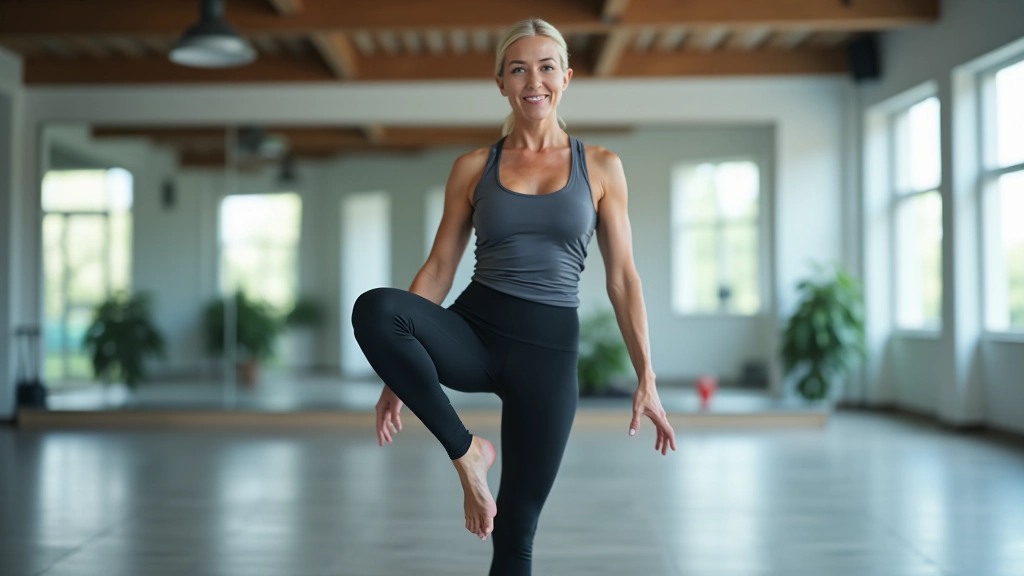
This is the single most important balance exercise. Stand on one leg for 30 seconds. That's it. Sounds simple, right? Most people can't hold it properly. Your goal is to keep your pelvis level — not tilting toward the lifted leg. Do this daily. After two weeks, it'll feel easier. After four weeks, you'll notice improvement in everyday activities like putting on pants or reaching for something while standing.
Tandem Walking
Walk in a straight line, placing the heel of one foot directly in front of the toes of the other. Like you're walking a tightrope. Do this for 20 steps. It challenges your proprioception and core stability simultaneously. We recommend doing this along a wall or counter for safety when you're starting out.
Reaching Exercises
Stand with feet hip-width apart and reach forward, backward, and to the sides — far enough to challenge your balance but not so far you lose it. This trains dynamic balance — the ability to stay steady while moving. It's practical because real life involves reaching for things constantly.
Progressive Training: Build Your Foundation
Balance training has levels. You don't start at advanced. You build progressively, which means you'll stay injury-free and actually stick with it.
Week 1-2: Static Balance Foundation
Focus on standing still with good form. Double-leg stance, then progress to single-leg. Hold each position for 20-30 seconds. Do this 3-4 times per week. Your nervous system is learning to recognize and correct small shifts in your center of gravity.
Week 3-4: Movement Integration
Add movement to your balance training. Tandem walking. Reaching exercises. Head turns while standing on one leg (this challenges your vestibular system). You're training your body to maintain balance while doing real-world activities.
Week 5-6: Complexity & Strength
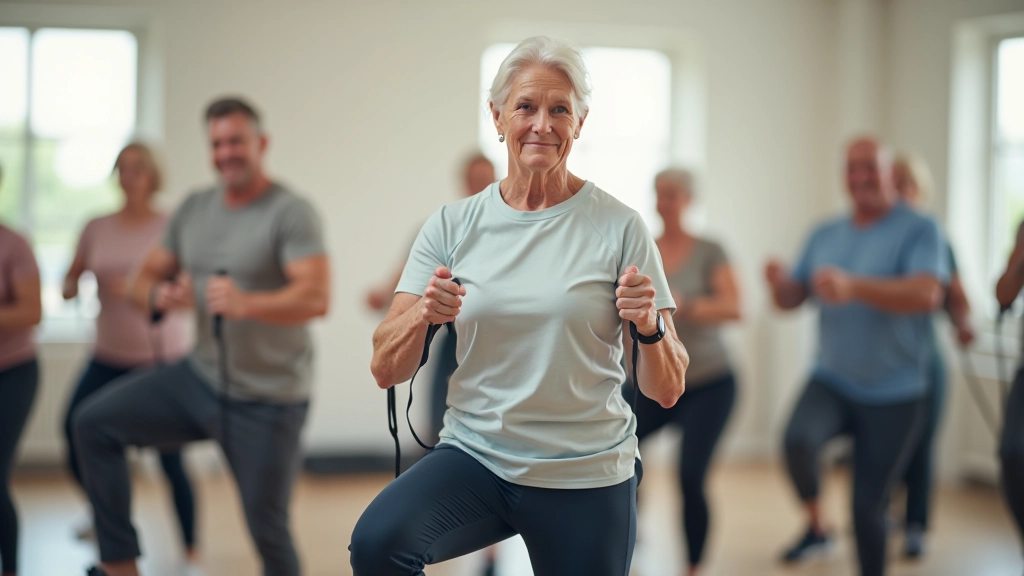
Combine balance with strength. Single-leg squats. Standing on unstable surfaces (folded towel, balance pad). Add resistance bands. Your body's now coordinating multiple systems at once — exactly what it needs to do in real life.
Practical Implementation: Making It Stick
The best exercise is the one you'll actually do. Here's how to integrate balance training into your daily routine without it feeling like a chore.
Start Small
5-10 minutes daily beats 30 minutes once a week. Do your single-leg balance work while brushing your teeth. Practice tandem walking while waiting for coffee. You'll actually be consistent.
Safety First
Always have something to hold onto when starting out. A counter, wall, or sturdy chair. Your nervous system won't learn if you're nervous about falling. Remove that fear with proper support.
Track Progress
Write down how long you can hold single-leg balance. Can you do 30 seconds week one? Aim for 45 seconds week two. Visible progress motivates people more than anything else.
Group Classes Work
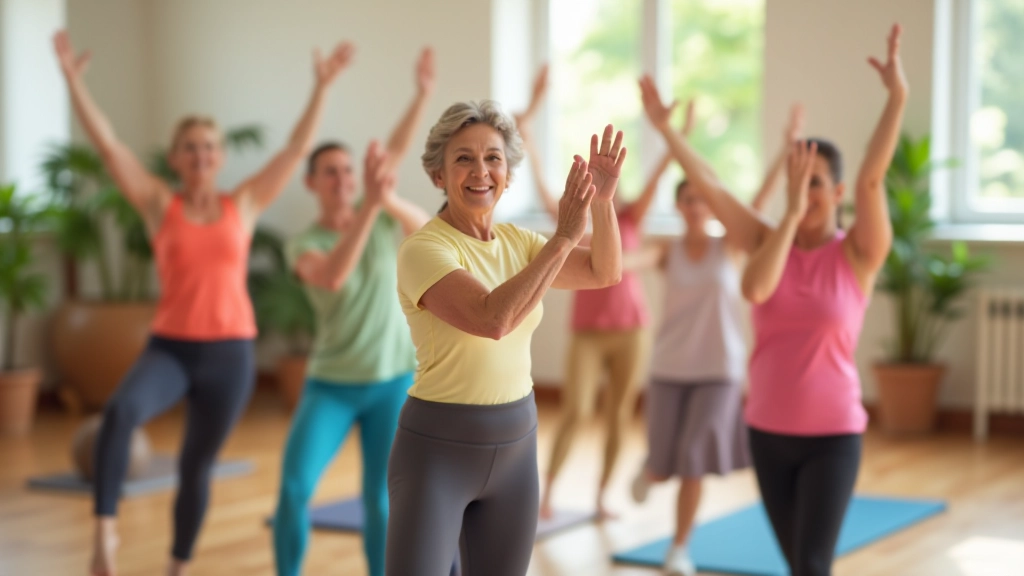
Balance training in a group setting with qualified instructors has huge benefits. You'll stay consistent, get proper form feedback, and the social connection is genuinely good for overall health.
What Actually Changes
"I couldn't stand on one leg for more than five seconds without holding onto something. After six weeks of the training, I can do a full minute with barely any wobble. But more than that — I feel so much steadier just walking around. I'm not gripping the banister on the stairs anymore."
— Patricia, 58
The changes people report are consistent. Improved confidence in daily activities. Better posture. Fewer near-falls. And importantly — they stop being afraid of falling. That fear actually causes more injuries because people become overly cautious and sedentary.
Most people also notice they're moving more smoothly. Your gait improves. Your coordination feels sharper. These aren't random benefits — they're direct results of training your proprioceptive and vestibular systems.

Your Next Step
Balance training isn't something you do once and check off. It's an ongoing practice that keeps getting better the more consistent you are. Start this week with just single-leg balance work — literally five minutes while brushing your teeth. You'll feel the difference immediately.
If you want structured guidance and the accountability that comes with group classes, that's where professional instruction really shines. You'll learn proper form, progress safely, and stay motivated. Most people train harder and more consistently when they're in a supportive group environment with qualified coaches.
Important Disclaimer
This article is informational and educational only. It's not a substitute for personalized medical advice from a qualified healthcare provider. Before starting any new exercise program, especially if you have existing health conditions, balance disorders, or take medications that affect balance, consult with your doctor or physical therapist. They can assess your individual situation and ensure the exercises are appropriate for you. Every person's body is different — what works for one person might need modification for another. Always prioritize safety and work with qualified professionals when learning new techniques.
Related Articles